Winter's Last Hurrah: The Beauty Of Red Twig Dogwood In Bloom
Winter's Last Hurrah: The Beauty of Red Twig Dogwood in Bloom
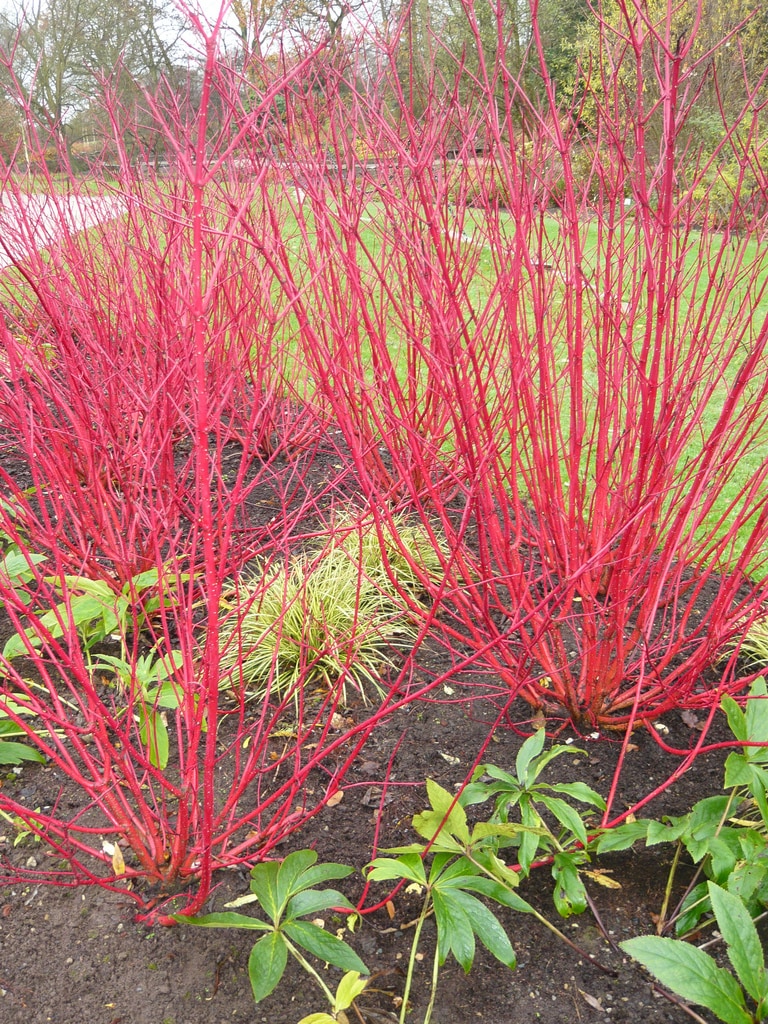
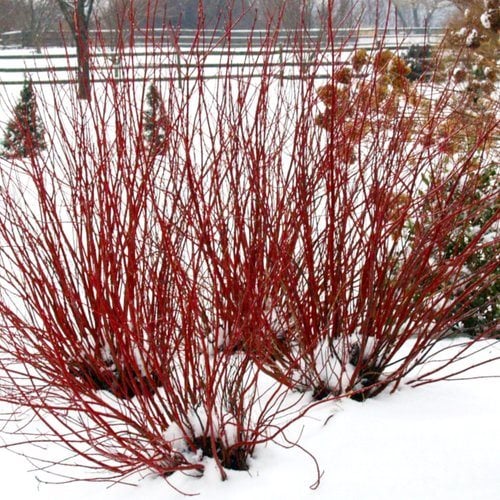
The winter months can be a time of dormancy for many plants, but there is one shrub that still manages to put on a show: the red twig dogwood. These shrubs are known for their bright red stems, which can add a touch of color to even the most bleak winter landscape.
Red twig dogwoods (Cornus sericea) are native to North America, and they can be found growing in a variety of habitats, from forests to meadows. They typically grow 6-10 feet tall, and they have oval leaves that turn a brilliant red in the fall.
But it's the red twigs that really make red twig dogwoods special. These twigs start to turn red in the winter, and they can remain colorful for several months. This makes them a popular choice for winter landscaping, and they can be used to create colorful borders or hedges.
In addition to their beauty, red twig dogwoods are also quite hardy. They can withstand cold winters and hot summers, and they are relatively resistant to pests and diseases. This makes them a low-maintenance choice for gardeners.
If you're looking for a shrub that will add a touch of color to your winter landscape, red twig dogwood is a great option. These shrubs are easy to care for, and they will provide you with years of enjoyment.
Main Content
- Red twig dogwood's history and symbolism
Red twig dogwood has a long history of use by Native Americans. The Ojibwe tribe used the bark to make a tea that was said to treat fevers and colds. The Menominee tribe used the wood to make arrows and other tools.
In modern times, red twig dogwood is often used as a symbol of winter. The bright red stems are a reminder that even in the coldest months, there is still beauty to be found in nature.
- How to plant and care for red twig dogwood
Red twig dogwood is a relatively easy plant to care for. It prefers full sun, but it can also tolerate partial shade. It is not very fussy about soil, but it does best in well-drained soil.
Red twig dogwood does not need to be watered very often. In fact, overwatering can be more harmful than underwatering. Fertilize red twig dogwood once a year in the spring with a balanced fertilizer.
- Pests and diseases
Red twig dogwood is relatively resistant to pests and diseases. However, it can be susceptible to aphids, scale, and powdery mildew. If you see any pests or diseases on your red twig dogwood, treat them immediately with an appropriate insecticide or fungicide.
- Propagation of red twig dogwood
Red twig dogwood can be propagated by seed, cuttings, or layering. Seed is the least reliable method, but it is the only way to propagate new cultivars. Cuttings are the most reliable method, and they can be taken in the spring or fall. Layering is a slower method, but it is very successful.
Conclusion
Red twig dogwood is a beautiful and versatile shrub that can add a touch of color to your winter landscape. It is easy to care for and resistant to pests and diseases. If you are looking for a shrub that will add beauty to your winter garden, red twig dogwood is a great option.
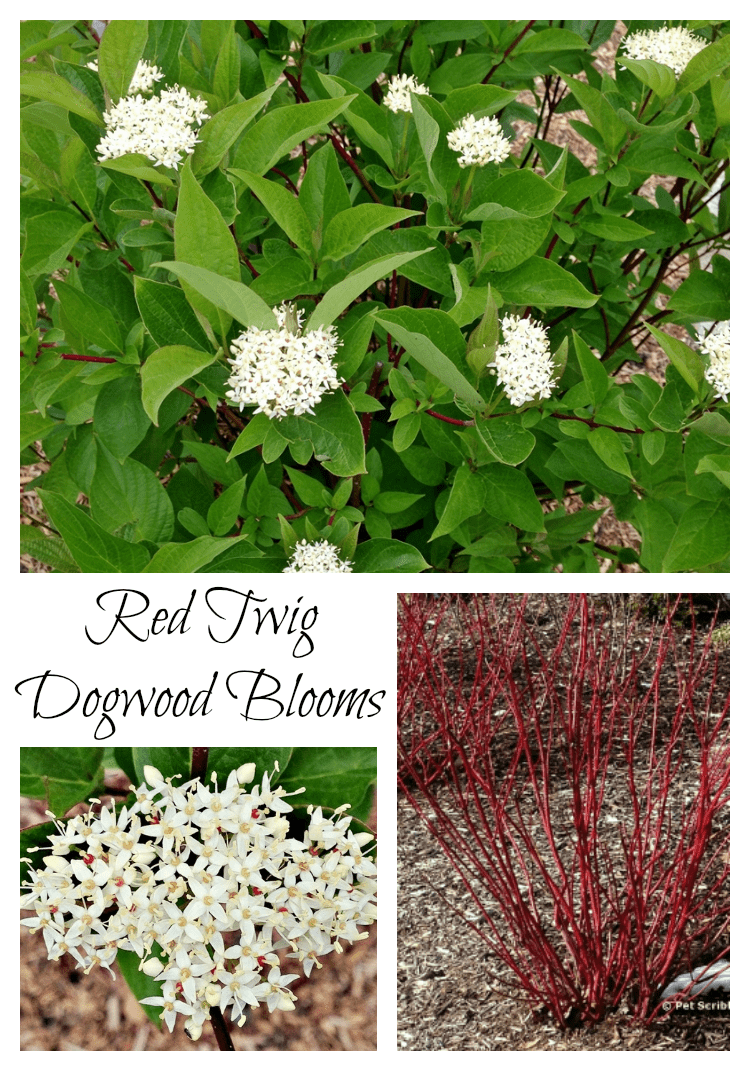
Red twig dogwood is a beautiful shrub that is known for its colorful stems in winter and spring. The stems turn a brilliant red in the fall, and they are often used in winter arrangements. In spring, the red twig dogwood blooms with white flowers that are clustered together in small groups. The flowers are followed by white berries that are attractive to birds.
If you are interested in learning more about red twig dogwood in bloom, I suggest you visit Garden Wiki. This website has a wealth of information about the plant, including its history, cultivation, and uses. You can also find photos of red twig dogwood in bloom, as well as tips on how to care for this beautiful shrub.
FAQ of red twig dogwood in bloom
Q: When does red twig dogwood bloom?
A: Red twig dogwood blooms in the spring, typically from April to May. The flowers are small and white, and they are arranged in flat clusters. The blooms are followed by white berries that ripen in the summer.
Q: What are the benefits of planting red twig dogwood?
A: Red twig dogwood is a beautiful and versatile plant that can be used in a variety of landscaping applications. It is drought-tolerant and adaptable to a wide range of soil conditions. It is also deer-resistant, making it a good choice for areas where deer are a problem.
Q: How do I care for red twig dogwood?
A: Red twig dogwood is relatively easy to care for. It does best in full sun to partial shade, and it requires well-drained soil. Water the plant regularly during the first year after planting, and then water it deeply once a week during the summer months. Fertilize the plant in the spring with a balanced fertilizer.
Q: What are some common problems with red twig dogwood?
A: The most common problem with red twig dogwood is leaf spot. Leaf spot is a fungal disease that can cause brown or black spots on the leaves. To control leaf spot, prune away infected leaves and branches, and apply a fungicide.
Q: How can I make my red twig dogwood bushier?
A: To make your red twig dogwood bushier, you can prune it in the spring. Prune the plant back by about one-third to encourage new growth. You can also pinch back the tips of the branches throughout the summer to encourage branching.
Image of red twig dogwood in bloom
- Image 1: A close-up of a red twig dogwood in full bloom. The flowers are white with a pink blush, and they are surrounded by dark green leaves.
- Image 2: A cluster of red twig dogwood shrubs in bloom. The shrubs are covered in white flowers, and they have bright red stems.

- Image 3: A red twig dogwood in bloom against a backdrop of blue sky. The flowers are a vibrant white, and the stems are a deep red.
- Image 4: A red twig dogwood shrub in bloom in a garden setting. The shrub is surrounded by other flowers, and it has a small bird perched on one of the branches.
- Image 5: A red twig dogwood in bloom in a vase. The flowers are arranged in a simple vase, and they make a beautiful centerpiece.

Post a Comment for "Winter's Last Hurrah: The Beauty Of Red Twig Dogwood In Bloom"